
01
Brecha en el flujo de fondos
Collection, reconciliation, settlement, and payout handled by different vendors with misaligned data, making end-to-end single-ticket traceability difficult for finance and operations.
Market Pain Points
Global merchants often face fragmented channels, unclear rules, and system gaps in cross-border fund flows, multi-channel collection, compliance review, and Fintech platform build-outs. This article summarizes what UpayAsia has observed in practical reviews and project deliverymarket, with feasible response directions (subject to case review and applicable law).
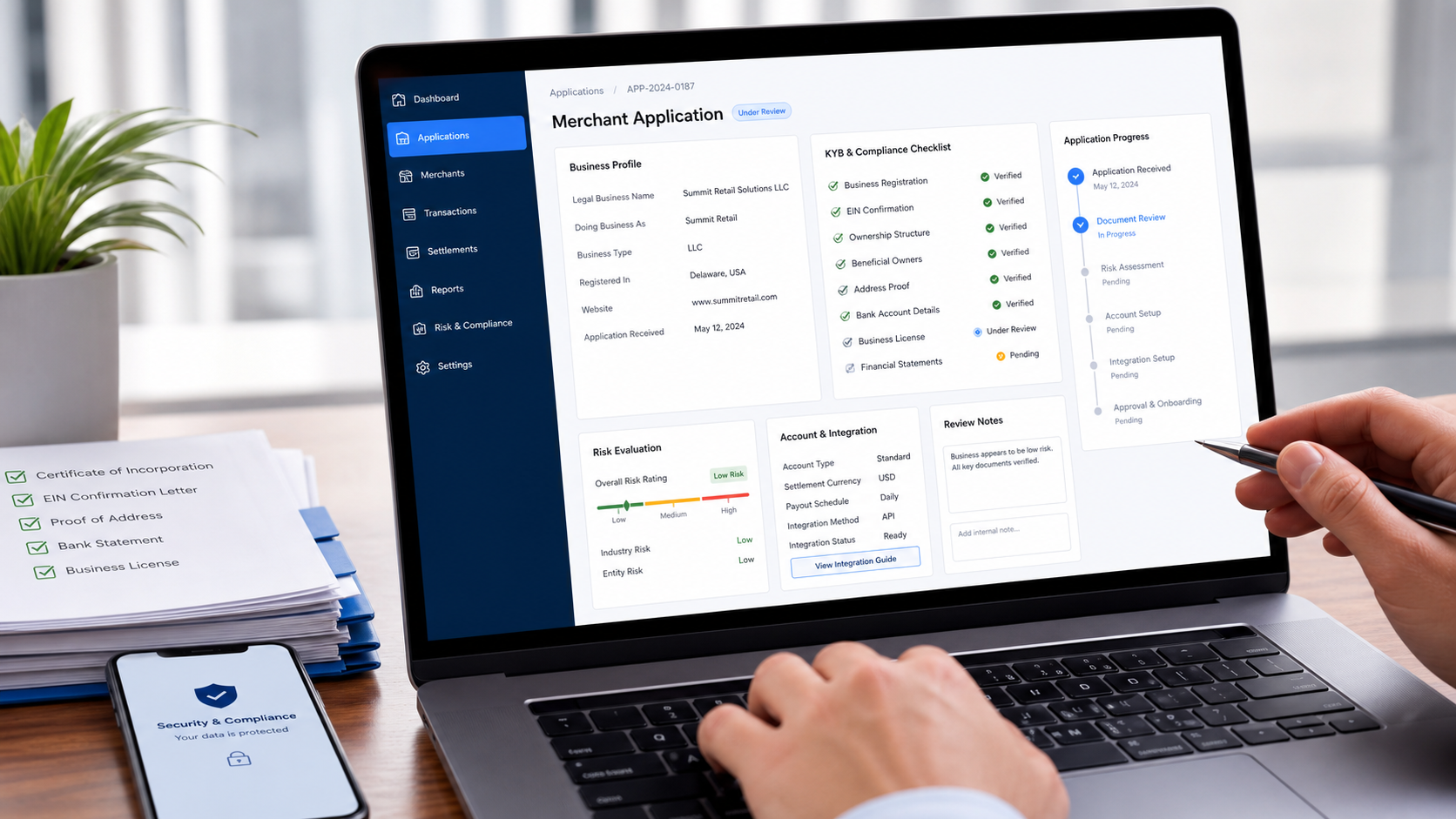
Overview
Many project failures are not due to a single technical problem, but to a lack of consistent design between collection, settlement, disbursement, compliance and licensing. Clarifying the pain points first, and then planning the products and access sequence can reduce the risk of rework, replacement parts, and channel rejection.
Collection, reconciliation, settlement, and payout handled by different vendors with misaligned data, making end-to-end single-ticket traceability difficult for finance and operations.
Higher AML, KYC, transaction monitoring, and record-keeping requirements make manual processes unsustainable as volumes and inspection frequency grow.
Post-licensing gaps in systems and operations, or building a platform first only to find activities exceed license scope.
Pain Point Matrix
The table below follows "pain point → typical symptoms → business impact → response". UpayAsia capabilities are indicative only; actual solutions depend on review outcomes.
| pain point | typicalsymptoms | businessimpact | Please contact UpayAsia for compliance-reviewed service details. |
|---|---|---|---|
| cross-borderchannelfragmentation | Local fiat, local channels, and crypto wallets from different vendors create inconsistent quotes and settlement timing. | Hard to promise a unified client experience; finance must maintain multiple reconciliation logics. | withcollection,settlementandInvoice payment; centralize status via Dashboard/API. |
| settlement and Invoice payment | Mixing large-scale merchant conversion with small end-user payouts in one flow causes documentation and limit review mismatches. | Review delays, channel rejections, or rising compliance risk. | Clearly separate "settlement (large-scale)" and "Invoice payment (mid-size)" product lines and review requirements. |
| cryptocurrencyfiat | Deposits, custody, conversion, and withdrawals span multiple rails and partners—wallet risk and FX volatility are hard to manage. | Low capital efficiency and insufficient operational transparency. | review/settlement/,Transaction monitoringwith reconciliation reports. |
| complianceprocess | KYC, name screening, EDD, and suspicious-transaction handling rely on spreadsheets and email, lacking case management and audit trails. | Compliance teams become bottlenecks when scaling; regulatory inspection preparation is costly. | implementationAML/client management systems, systematizing screening, onboarding, and monitoring workflows. |
| industryonboarding | Exchanges, FX, gaming, precious metals, and similar sectors are often blanket-rejected by traditional channels, leaving few viable alternatives. | Even licensed legitimate businesses still struggle to obtain payment and payout capabilities. | start withindustryreview, evaluating channels case by case by license, region, and documentation. |
| API | Tech teams have integrated API, but finance, support, and risk still rely on offline data; Webhook and state-machine design remain incomplete. | Automated collection/payout cannot truly land; customer complaints and reconciliation issues are frequent. | , API/Webhook with Dashboard data sources. |
| license | Unclear which license a target market requires, or acquisition/application paths do not match the business model. | Product launch delays, legal risk, or forced business-model changes. | coordinateLicensing and professional servicesConduct feasibility assessments and plan in parallel with technology projects. |
| Fintech | Building a full platform at once is too costly, or an MVP without compliance and payment modules cannot operate under license. | Capital waste or failure to pass regulatory review. | licenseFintech projects, prioritizing core modules before expansion. |
By Stakeholder
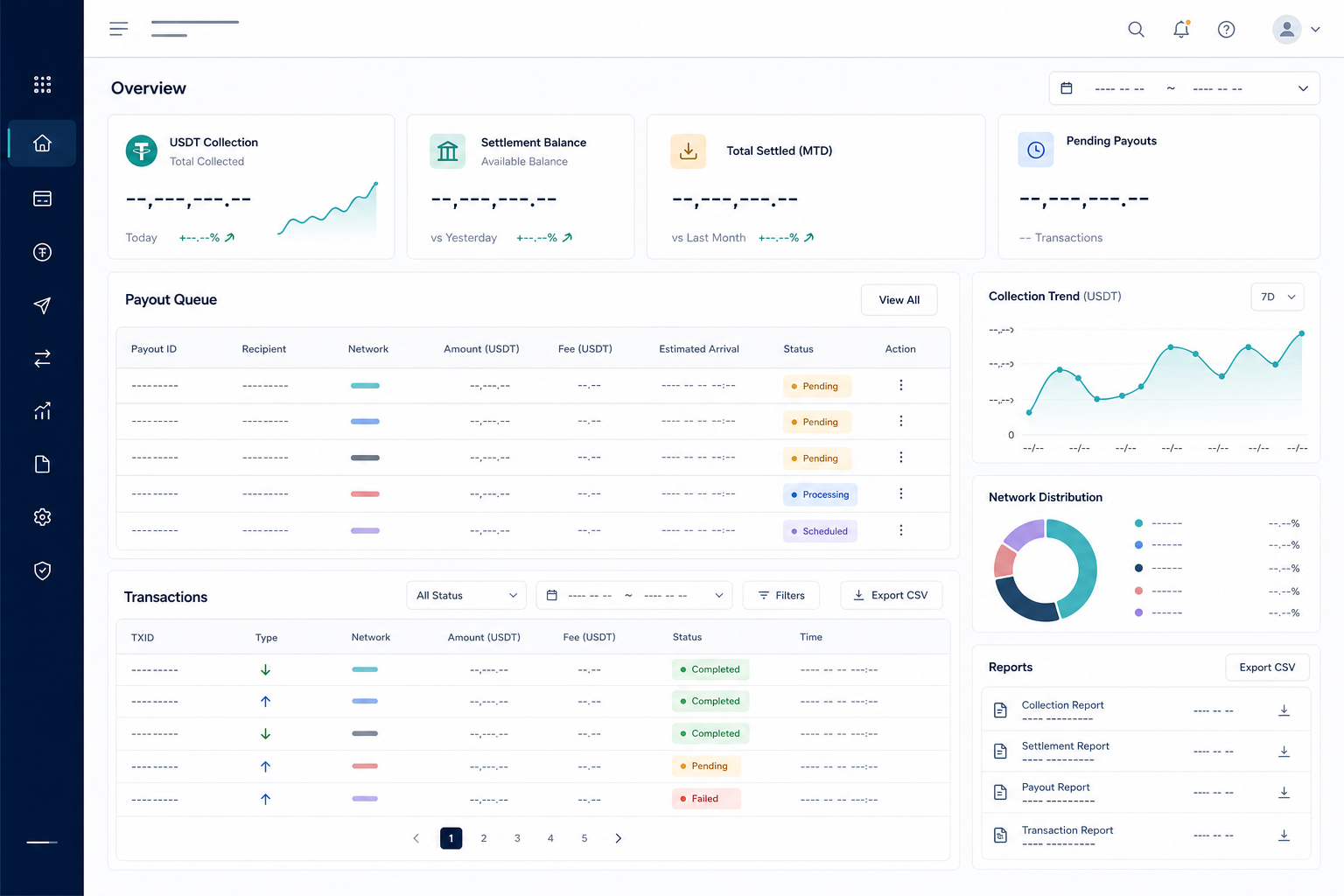
From Pain to Plan
FAQ
No. This is market observation and practical guidance; actual service scope, channels, and review outcomes depend on contract, partner rules, and applicable law.
onboarding;Future trends reportsummarizes medium- and long-term industry direction for strategic planning.
canwith。pleaseviaContactShare merchant type, regions, fund flows, and existing systems—we will start with a feasibility discussion.
Read the future trends report to understand medium-term directions in payments, compliance, and Fintech.