
Project delivery · System build-out
Virtual accounts · FX exchange · Transaction monitoring

Project Delivery

Project delivery

UpayAsia delivers end-to-end payments, RegTech, and operations systems. Below are three representative anonymous project summaries—virtual account platforms, FX shop compliance operations, and transaction monitoring—covering problem context, architecture, modules, and deliverables (no client names; actual scope subject to case review and contract).

Multi-system integration and platform delivery

Delivery Approach

Project delivery approach

Each project starts from business pain points: clarify licensing boundaries, fund flows, and compliance requirements, then plan a phased technical architecture. The three cases below summarize UpayAsia delivery directions with anonymized details.

① Problem definitionClarify regulatory boundaries, operating processes, and gaps in existing systems.
② Architecture designMulti-tenant/multi-branch design, API adapters, compliance middleware, and end-to-end audit.
③ Modular deliveryPhased rollout: MVP → expansion → white-label/multi-branch.
④ Operational readinessTraining, SOPs, reporting, and ongoing compliance support.

Case 01

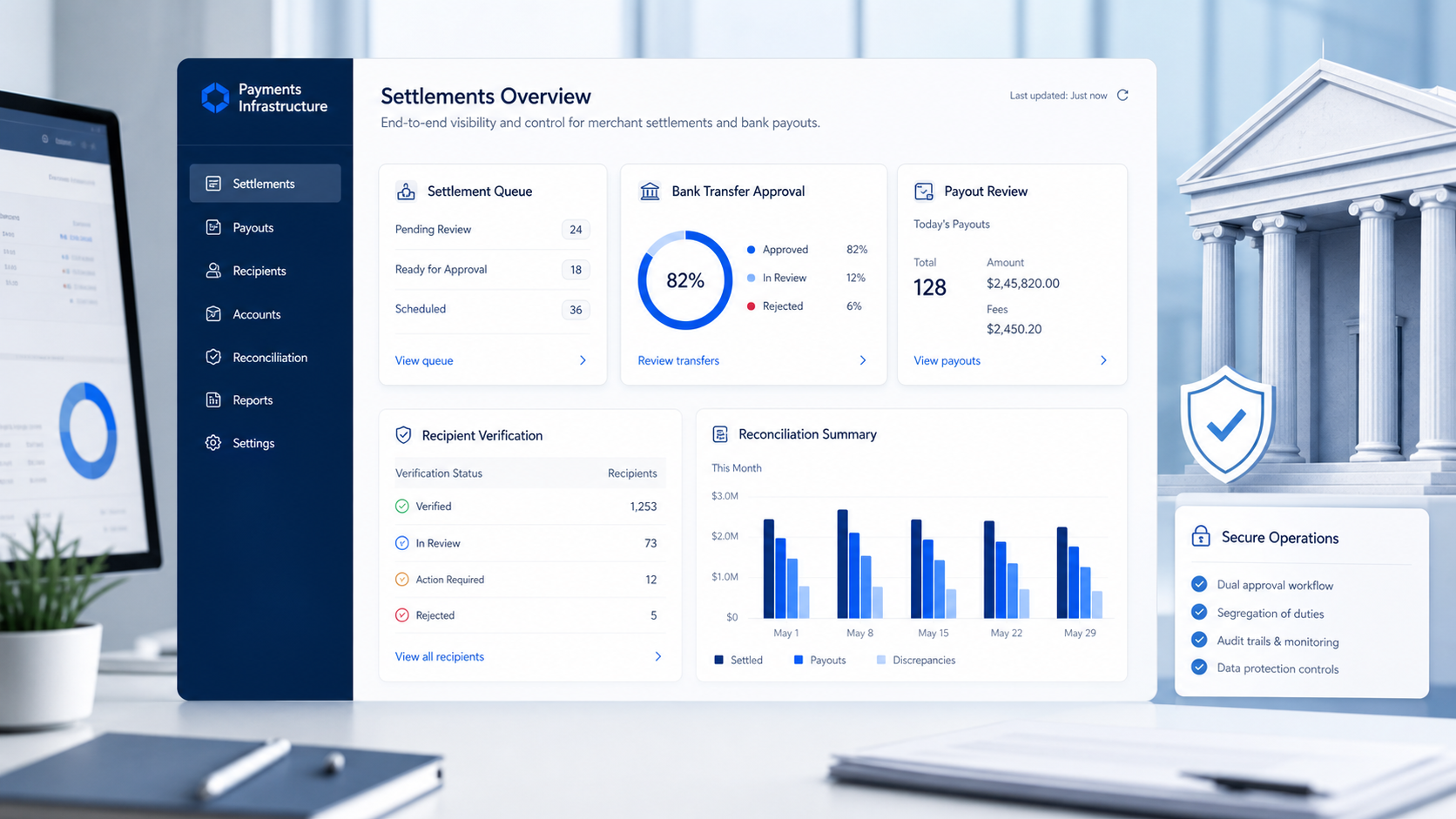
Same-name virtual account (VA) platform

Build a Master VA and individual/corporate Sub-VA hierarchy for licensed or pre-licensed clients, embed RegTech and bank onboarding advisory, and support white-label VA/payment partner integration.
Problem context

  • Bank VA onboarding is complex; individual and corporate Sub-VAs need hierarchical management with strong audit requirements
  • Clients struggling with bank onboarding lack advisory support and document preparation guidance
  • White-label partners need separate portals while KYC, AML, and risk screening stay centrally controlled
  • VA and payment capabilities must be exposed externally while the licensed entity retains regulatory responsibility
Virtual accounts and bank integration architecture

Architecture design

  • Multi-tenant platform: Master VA as root, Individual/Corporate Sub-VAs as child nodes
  • Bank API adapter layer: connect multiple bank VA products with unified account status and credit notifications
  • RegTech engine: KYC, AML, and risk screening embedded across onboarding and transactions (no third-party brand references)
  • White-label layer: partner domains/brands with permission and data isolation; licensed entity retains review authority

Functional modules

  • VA account tree management: Master/Sub-VA creation, freeze, limits, and status transitions
  • Bank onboarding advisory: difficult-case tickets, document checklists, progress tracking, and notes
  • RegTech: client KYC, AML transaction monitoring, PEP/sanctions/adverse-media screening
  • White-label merchant portal: Sub-VA applications, credit inquiry, reporting, and API key management
  • Admin console: maker-checker review, audit logs, and regulatory record exports

Deliverables

  • Operational multi-tenant VA platform (web admin + white-label portal + REST API)
  • Compliance embedded from onboarding through crediting, supporting ongoing CDD
  • Bank onboarding advisory SOPs and ticket system to reduce difficult-case failure rates
  • White-label templates: fast partner onboarding with licensed-entity compliance review and audit

Case 02

FX shop compliance operations system

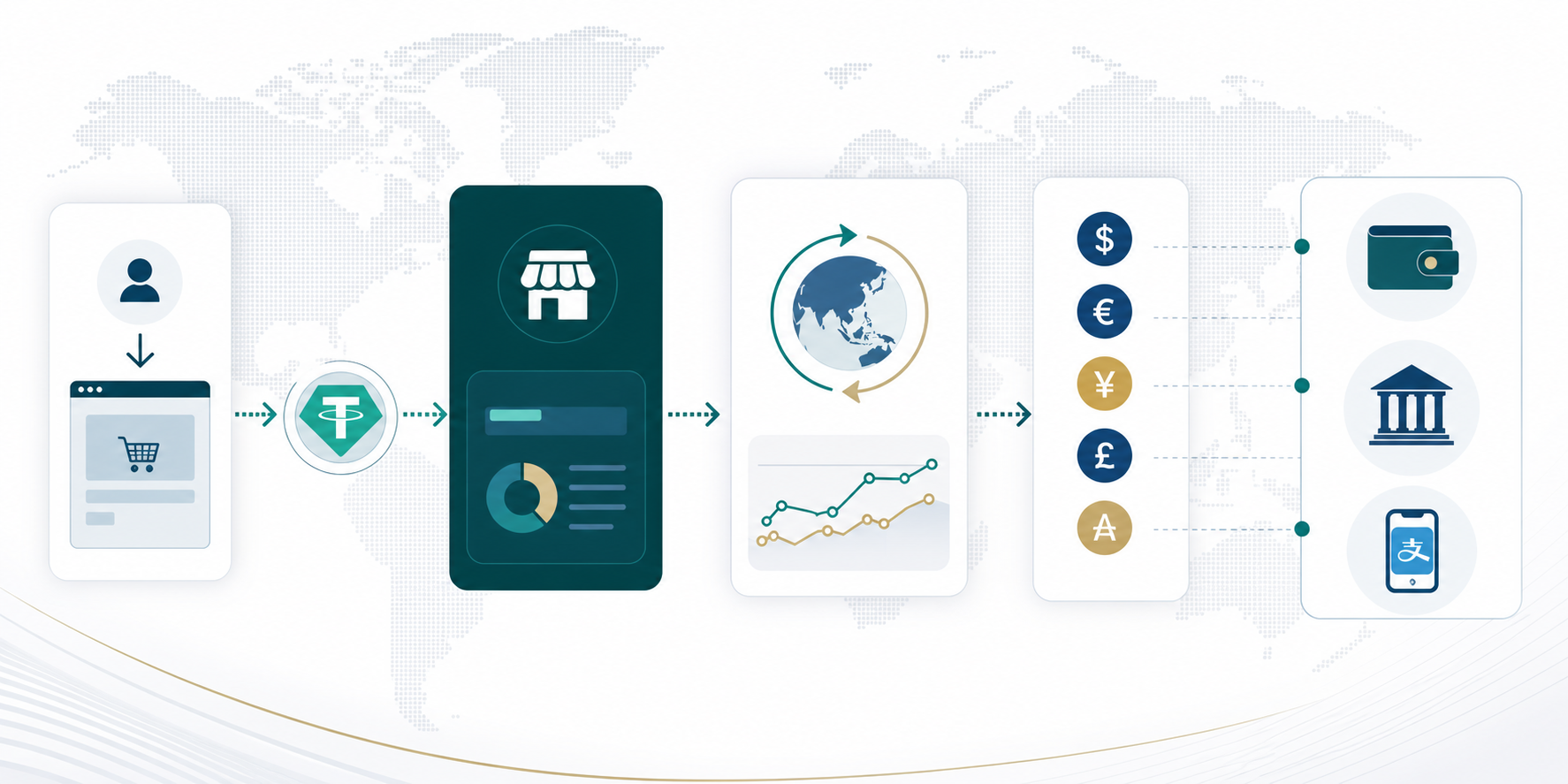
Build member app, HQ admin, and in-store redemption loop for multi-branch FX merchants—covering quotes, reservations, buy/sell, remittance, cash inventory, and daily closing.
FX exchange and fund flows

Problem context

  • Multi-branch operations need unified FX quotes but store-level cash inventory and redemption flows differ widely
  • Online member reservations disconnect from in-store redemption; audit and KYC data are fragmented
  • Buy/sell, remittance, and cash handling involve MSO compliance; manual processes cannot sustain regulatory inspections
  • HQ needs granular RBAC by role (branch manager, teller, compliance, finance) with full operation trails

Architecture design

  • Three-tier architecture: member app (consumer), HQ admin (business), in-store redemption POS (branch)
  • Multi-branch RBAC: HQ/region/branch/teller layers with separation of operations and approvals
  • FX engine: live quotes, reservation rate locks, trade execution, and remittance ticket workflows
  • Compliance middleware: centralized KYC, name screening, and transaction audit trails
  • Cash inventory module: per-branch cash/FX inventory, transfers, daily closing, and variance handling

Functional modules

  • Member app: account KYC, FX quote lookup, reservations, transaction history, and notifications
  • Admin console: quote management, branch/staff RBAC, compliance review, reporting, and daily closing
  • In-store redemption: reservation redemption, on-site buy/sell, cash handling, receipt printing
  • Remittance tickets: cross-border/local remittance requests, compliance review, status tracking
  • Compliance: KYC, AML screening, large-transaction alerts, full audit trail
  • Cash/inventory: multi-currency inventory, daily reconciliation, variance investigation, and sign-off

Deliverables

  • Member app + admin console + in-store redemption across iOS/Android/Web
  • Multi-branch RBAC and operation audit for MSO daily compliance and inspection readiness
  • FX quote-to-redemption loop: reservation, on-site execution, remittance tickets end-to-end
  • Cash inventory and daily closing reports with a single data source for finance and operations
  • Extensible API: connect external KYC services or HQ ERP (case-by-case)

Case 03

Transaction monitoring platform

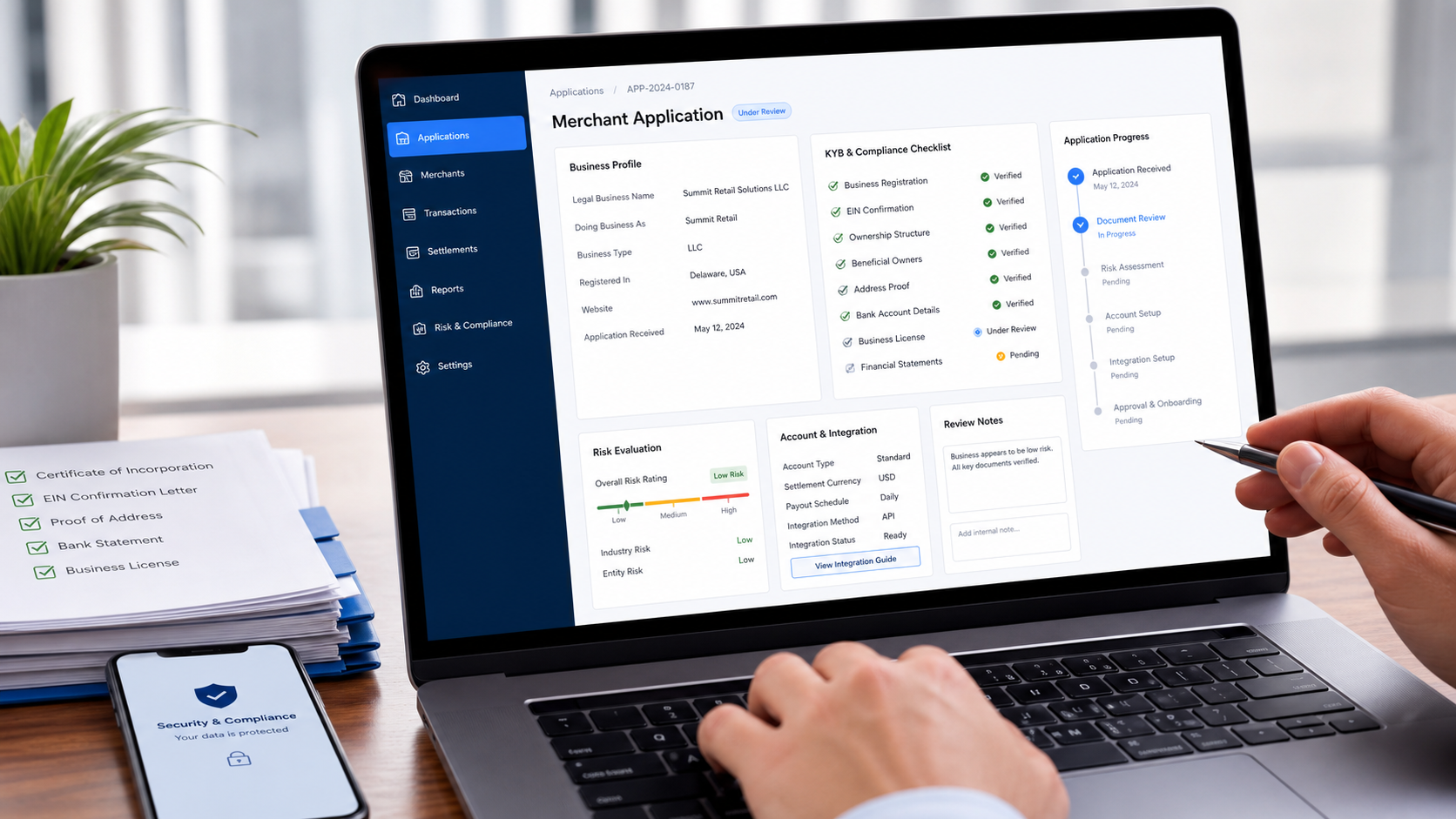
Build a rule-driven transaction monitoring system for licensed financial institutions—covering card transaction monitoring, alert triage, maker-checker review, investigation notes, relationship graph analysis, and end-to-end audit trails.
Problem context

  • As volumes grow, manual sampling cannot cover card transactions and multi-channel payment scenarios
  • Alert rules are scattered across systems; investigation notes and review workflows lack a unified platform
  • Regulators require complete investigation records, relationship analysis, and maker-checker trails for suspicious activity
  • Investigators need rapid insight into client/merchant/counterparty relationships, but data remains siloed

Architecture design

  • Rules engine: configurable thresholds, behavior patterns, and composite rules across geography/amount/frequency
  • Event streaming: real-time ingestion and scoring for card TX, account transfers, payment credits, etc.
  • Case management: alert → triage → assignment → investigation → review → closure
  • Relationship graph engine: visual analysis of client, account, merchant, and counterparty nodes and edges
  • End-to-end audit: rule changes, alert handling, and review decisions are fully traceable
Transaction monitoring and case investigation

Functional modules

  • Rule configuration: visual rule editing, versioning, and enable/disable approvals
  • Card TX monitoring: real-time scoring and alerts for authorization, clearing, refunds, cross-border, etc.
  • Alert triage: high/medium/low risk tiers with auto-assignment and SLA reminders
  • Maker-checker: investigation conclusions, freeze/unfreeze, and rule changes require dual review
  • Investigation notes: structured remarks, attachments, timelines, and collaborative comments
  • Relationship graph: graph exploration, community detection, high-risk node tagging
  • Audit trail: end-to-end operation logs for regulatory records and internal audit exports

Deliverables

  • Configurable transaction monitoring platform supporting card TX and multi-channel event ingestion
  • Investigation workspace: alert queue, case details, relationship graph, and notes in one view
  • Maker-checker review embedded in high-risk actions, aligned with AML internal-control requirements
  • Complete audit trails and regulatory report templates for inspections and internal audit
  • API and webhooks: integrate with core banking, payments, or AML/CRM systems

Cross-Cutting

Shared delivery elements across all three cases

ElementVirtual account platformFX shop operationsTransaction monitoring
Compliance embeddingKYC, AML, risk screening at onboarding/creditingMSO KYC, screening, large-ticket alertsRule alerts, maker-checker, STR workflows
Multi-layer permissionsMaster/Sub-VA, white-label, reviewHQ/branch/teller RBACInvestigator, supervisor, compliance officer roles
AuditFull trails for accounts and onboardingRedemption, cash, daily-closing auditAlert-to-closure end-to-end traceability
APIVA onboarding, credit notifications, white-label integrationQuotes, reservations, inventory syncEvent ingestion, case-status webhooks
Phased deliveryMVP single bank → multi-bank → white-labelSingle branch → multi-branch → app launchCore rules → card TX → relationship graph

FAQ

FAQ

Do these cases refer to specific clients?

All three cases are anonymized summaries of UpayAsia delivery directions without client names, brands, or contract details. Actual project scope is subject to mutual confirmation and applicable law.

Can you deliver only part of the modules?

Yes. Many clients start with core modules (e.g., VA account management, FX quote engine, or transaction monitoring rules) and expand to a full platform over time.

Does this include license applications?

For licensing services, see licensing and professional services; these can be planned alongside technical projects.

Does RegTech depend on specific third parties?

Compliance data sources can be client-specified or jointly selected per project; we handle system integration, process design, and audit capabilities without naming third-party brands in public materials.

Can this integrate with UpayAsia payment products?

Yes. Project delivery can be planned alongside multi-channel collection, settlement, Invoice payment, and AML/CRM.

Have a similar project to discuss?

Share your business model, target market, licensing status, and timeline—we will assess feasibility and delivery scope.

Contact